

Emotional medical care has long fought with one important issue: access. Countless Americans need mental help, yet geographical barriers, service shortages, and arrangement constraints keep treatment out of reach. That is where electronic psychological wellness solutions have walked in—and the figures tell a convincing story.
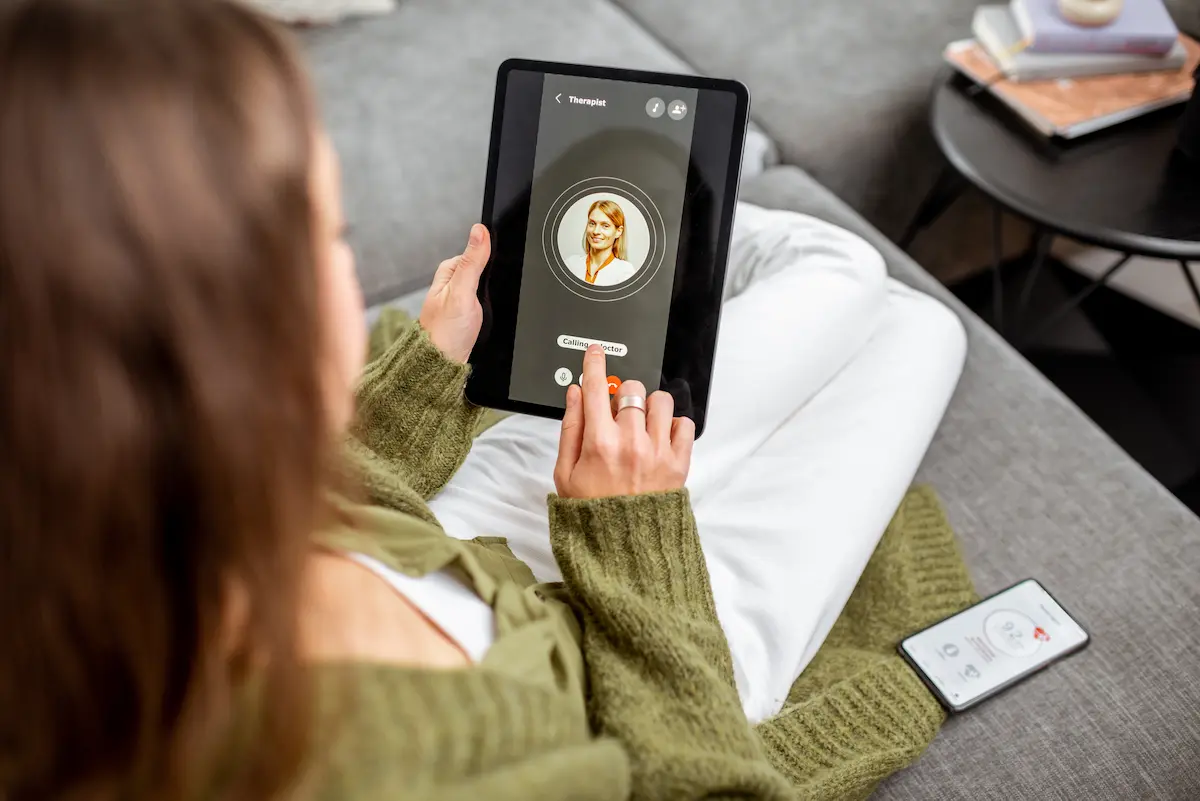
At the biggest market of this shift is telepsychiatry , which employs protected, real-time video and sound engineering for connecting registered psychiatric specialists with patients—aside from location.
Why Is There a Intellectual Wellness Provider Shortage?
The need for psychiatric treatment in the United Claims far exceeds the accessible supply. Based on the Wellness Assets and Services Government (HRSA), a lot more than 150 million Americans live in federally selected Mental Wellness Professional Shortage Areas. Rural areas, correctional facilities, tribal lands, and underserved urban neighborhoods experience the greatest gaps.
Conventional in-person attention types can't range rapidly enough to deal with that crisis. Electronic psychiatric solutions provide a realistic, established alternative.
What Do the Data Say About Electronic Intellectual Wellness Treatment?
The info behind electronic emotional wellness services is hard to ignore:
More than 607 of U.S. counties do not need just one exercising psychiatrist, in line with the American Psychiatric Association.
Study printed in Mental Companies unearthed that telehealth-based psychiatric attention creates outcomes comparable to in-person treatment for problems including despair, anxiety, and schizophrenia.
A written report by McKinsey & Company unearthed that telehealth employment stabilized at degrees 38 situations higher than pre-2020 levels, with behavioral health addressing one of many highest-use categories.
Employers who invest $1 in intellectual health applications see an average reunite of $4 through reduced absenteeism and improved production, in line with the Earth Wellness Organization.
These figures reveal a broader change in how organizations—hospitals, community health stores, schools, correctional services, and staff help programs—approach psychological attention delivery.
How Does Virtual Psychological Attention Work in Organizational Options?
Businesses partner with telepsychiatry sites to incorporate licensed psychiatrists and psychological health physicians into their active care models. Solutions an average of include:
Psychiatric evaluations and treatment administration
Situation treatment and disaster consultations
Remote rounding for inpatient controls
Continuous outpatient therapy and follow-up treatment
All periods are conducted through HIPAA-compliant tools, ensuring patient privacy and regulatory compliance.
Who Benefits Most From Virtual Mental Companies?
Electronic psychological treatment is specially impactful for populations with limited access to old-fashioned services. Kiddies and adolescents in rural school districts, people in correctional controls, residents of tribal areas, and people in federally qualified wellness stores are among those who gain most.
Businesses that offer these groups report meaningful improvements in care continuity, individual involvement, and scientific outcomes when virtual psychiatry is portion of their model.
What Should Agencies Search for in a Telepsychiatry Spouse?
Deciding on the best partner matters. Businesses must prioritize vendors who offer:
Completely certified and state-authorized clinicians
Flexible billing models (per visit, per hour, or per day)
Seamless integration with present EHR systems
Dedicated, long-term companies for continuity of treatment

The Base Range
Electronic mental care is not a temporary workaround—it is a lasting, evidence-backed component of contemporary behavioral health. As need for emotional health services remains to rise, companies that spend money on scalable virtual treatment designs is going to be better placed to offer their areas, lower provider burnout, and provide consistent, high-quality outcomes.
The question for many businesses is no longer whether to adopt virtual psychological services—it is how to do so effectively.